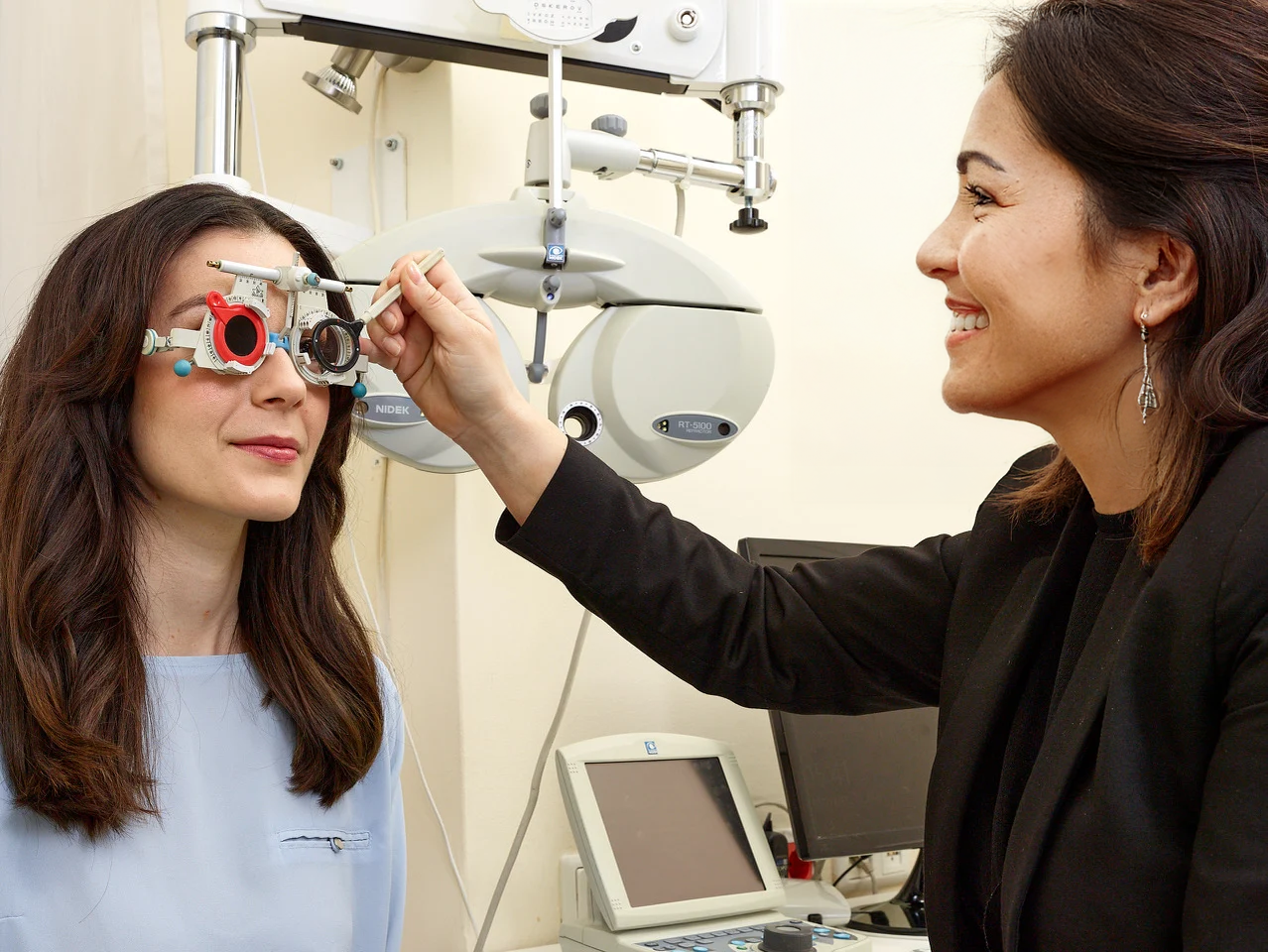
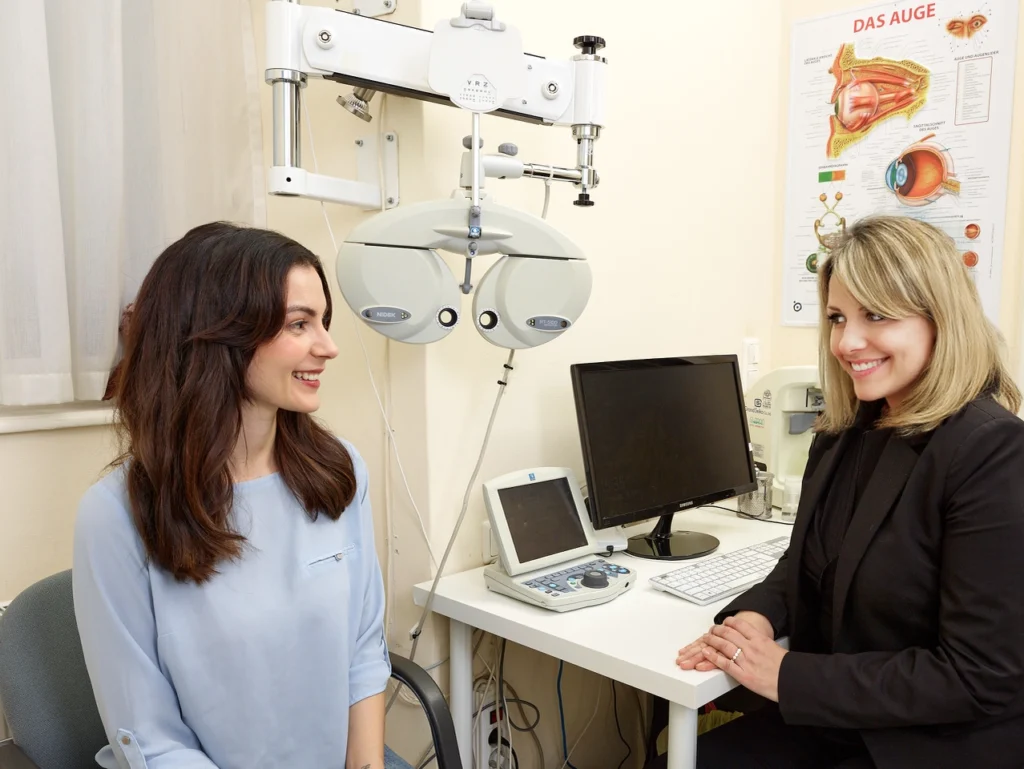
We offer state-of-the-art examination options. Take a tour of our practices with us.
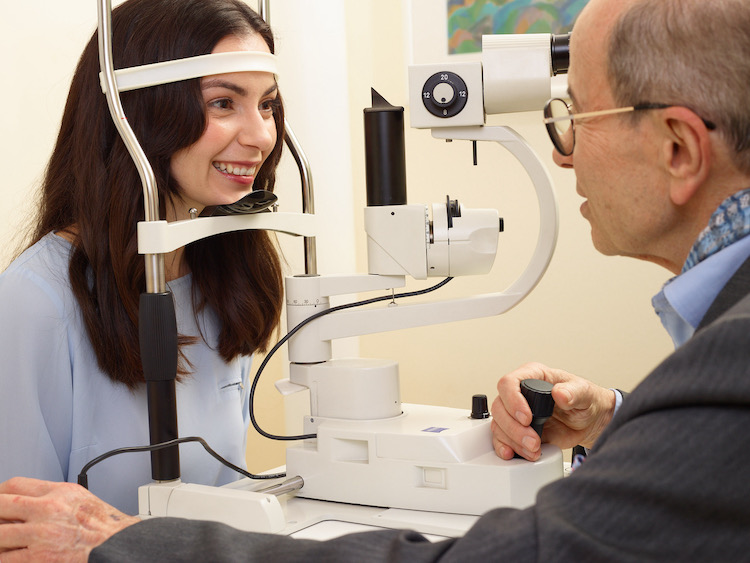
Slit Lamp
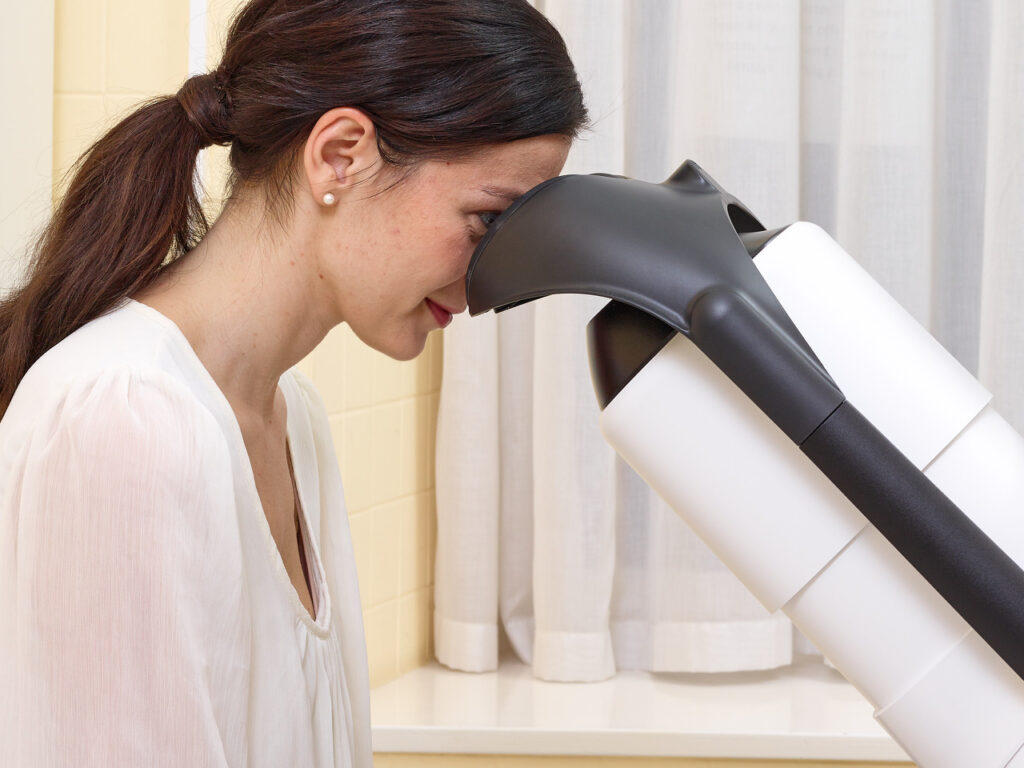
The slit lamp allows for the examination of various structures in the eye with high precision and detail. Through accurate diagnosis of eye problems, appropriate treatment can be planned and monitored.
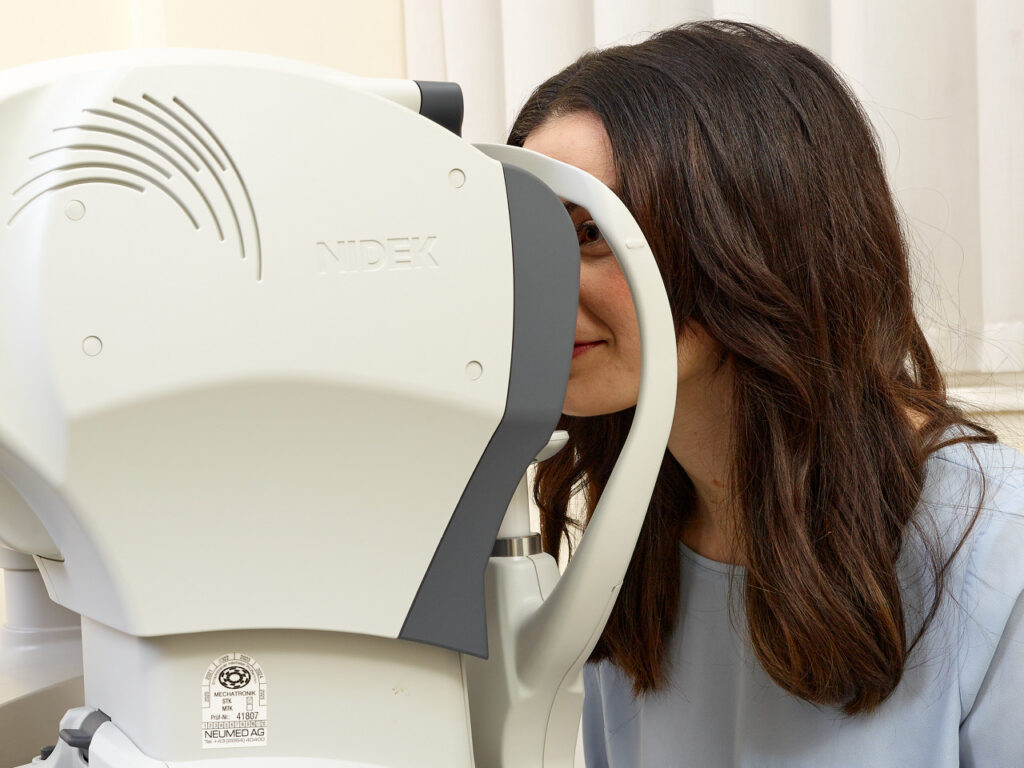
Intraocular Pressure Measurement
Intraocular pressure measurement serves to assess the risk of eye diseases such as glaucoma. The measurement is performed with a tonometer and is completely painless.
Corneal Curvature Measurement
Corneal curvature (astigmatism) affects light refraction and leads to blurred vision. Corneal curvature is measured for correction, for example, with glasses, contact lenses, or refractive surgery. Accurate measurement is important for optimal visual quality and to prevent secondary diseases.
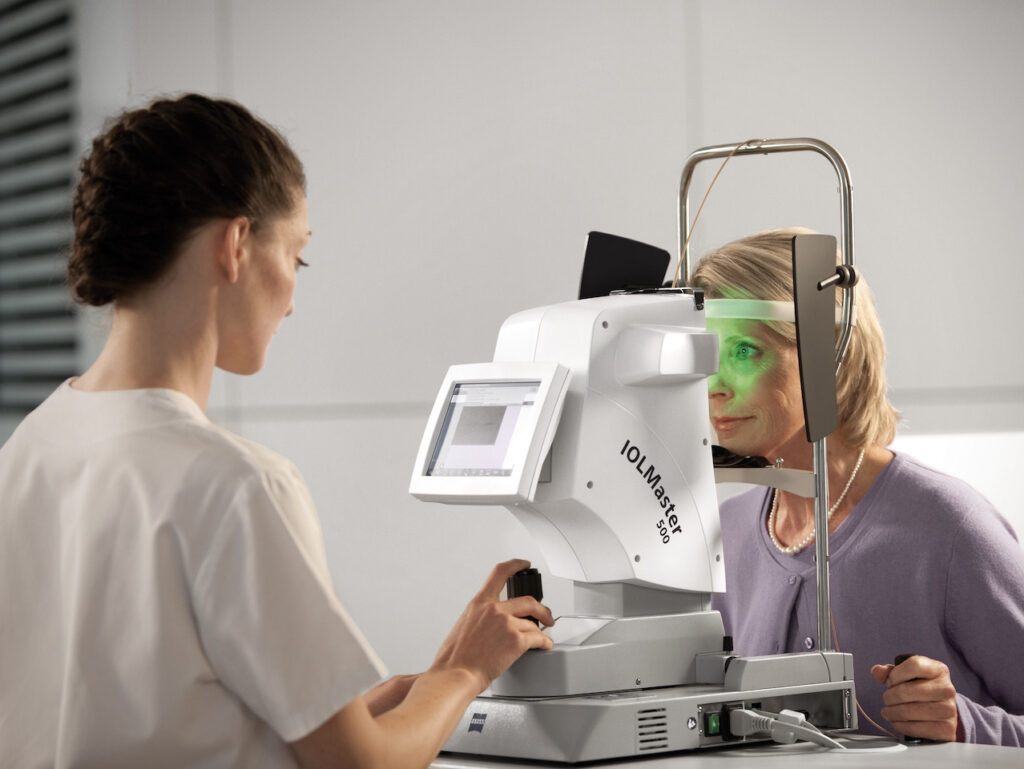
Biometry
Biometry is used to measure eye parameters for the diagnosis and treatment of vision problems. For example, it can determine the length of the eye or the thickness of the cornea.
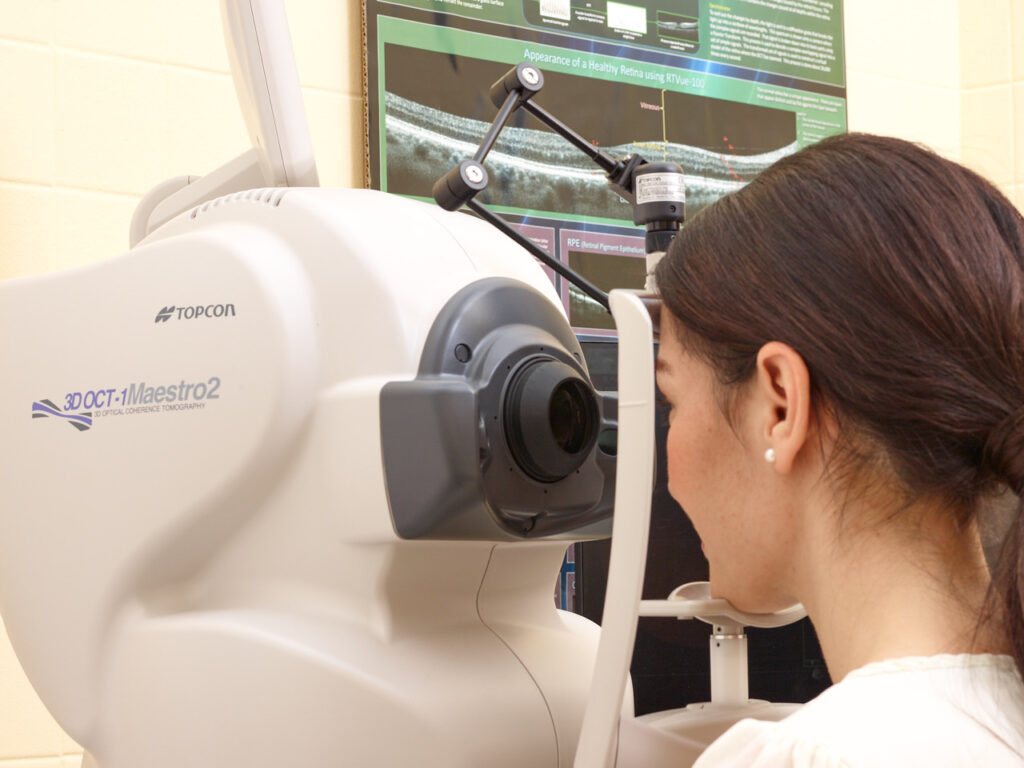
OCT (Optical Coherence Tomography)
OCT provides high-resolution images of the retina and other eye structures, enabling more precise diagnoses and treatments, and improving patient care. It detects changes early, before symptoms appear, and reduces the need for invasive procedures.
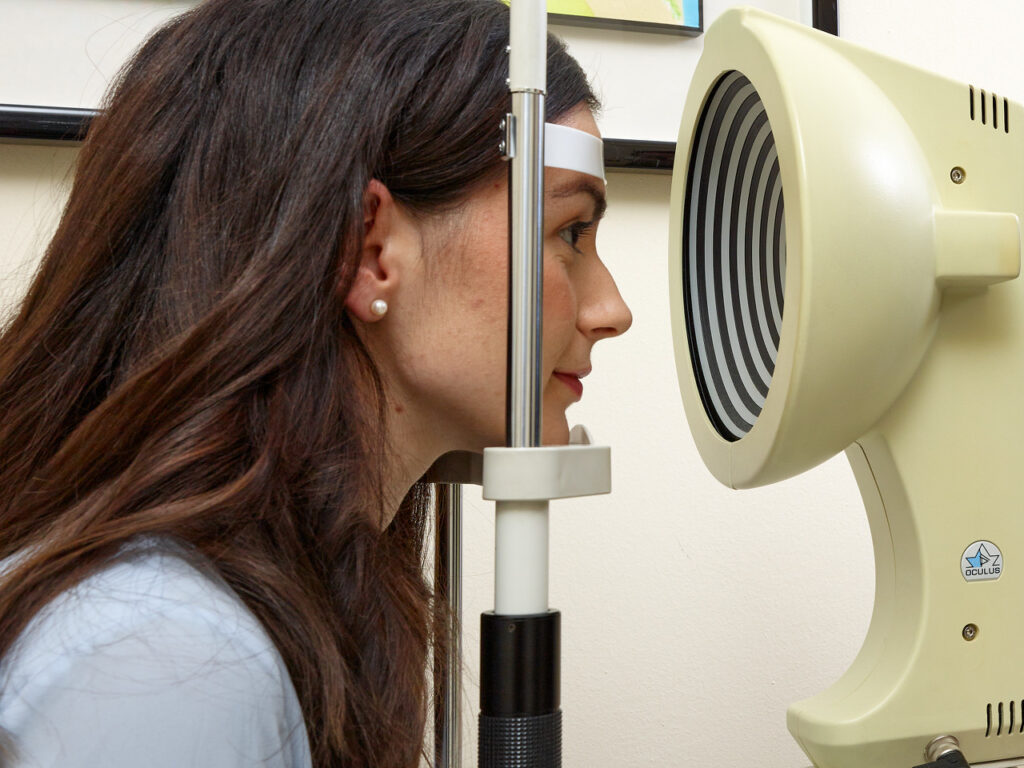
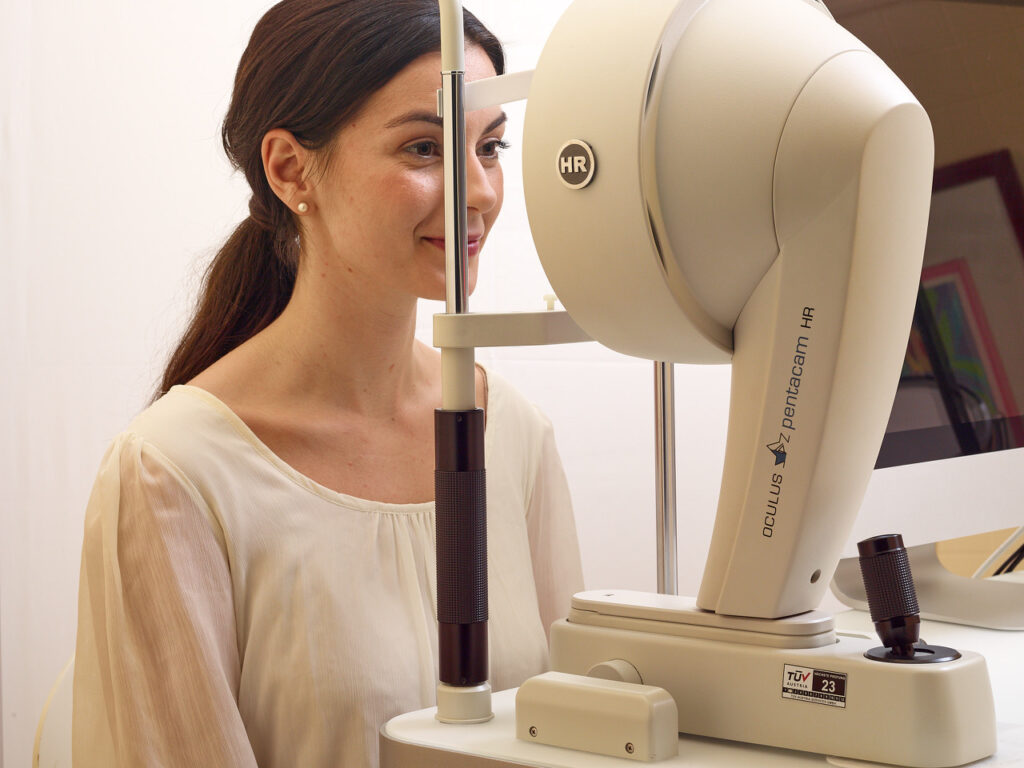
Pentacam
The Pentacam analyzes corneal structure, including thickness and curvature, and is used in planning refractive surgery procedures such as LASIK. This non-invasive instrument is quick and easy to use, enhancing patient comfort.
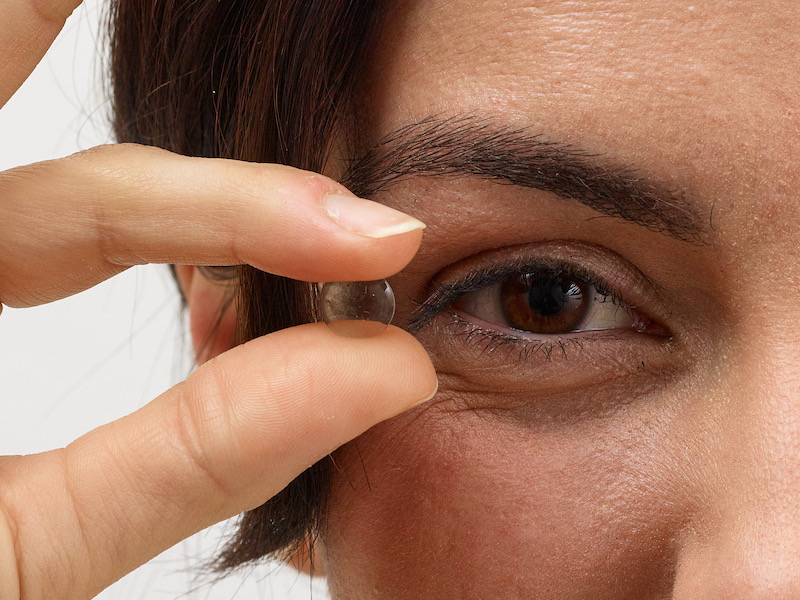
Contact Lens Fitting
Contact lenses correct refractive errors such as nearsightedness or farsightedness, astigmatism, and presbyopia by being placed directly on the eye and correcting refractive errors. A distinction is made between soft and rigid contact lenses.
Retinal Examination
Retinal examination diagnoses eye diseases such as retinal disorders, glaucoma, and diabetic retinopathy, and monitors vision to detect changes early. Regular examinations are important for the overall health of the eye.
Visual Field Measurement
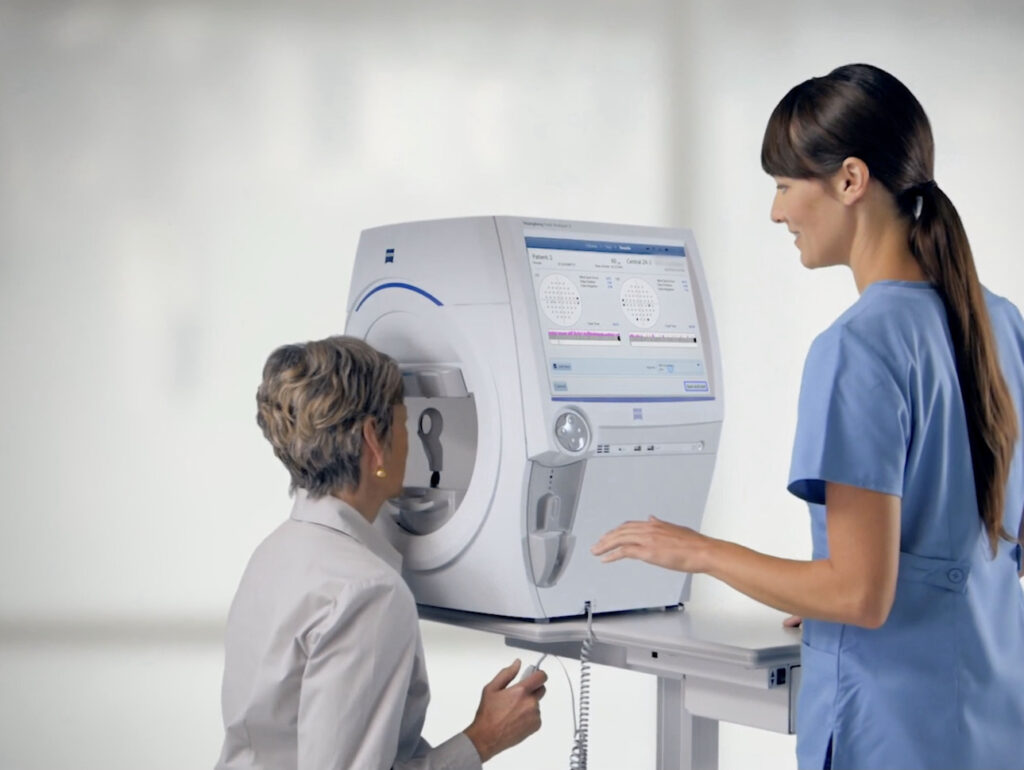
Visual field measurement diagnoses diseases and injuries affecting peripheral vision and identifies causes of visual disturbances. Regular measurements are important to monitor eye diseases such as glaucoma or retinopathy, as well as their treatment.
Driving Fitness Examination: Nyktometer
The nyktometer is used to assess driving ability and night vision. This diagnostic instrument is particularly important because age and various diseases can impair night vision.
Driving Fitness Examination: Ishihara Test
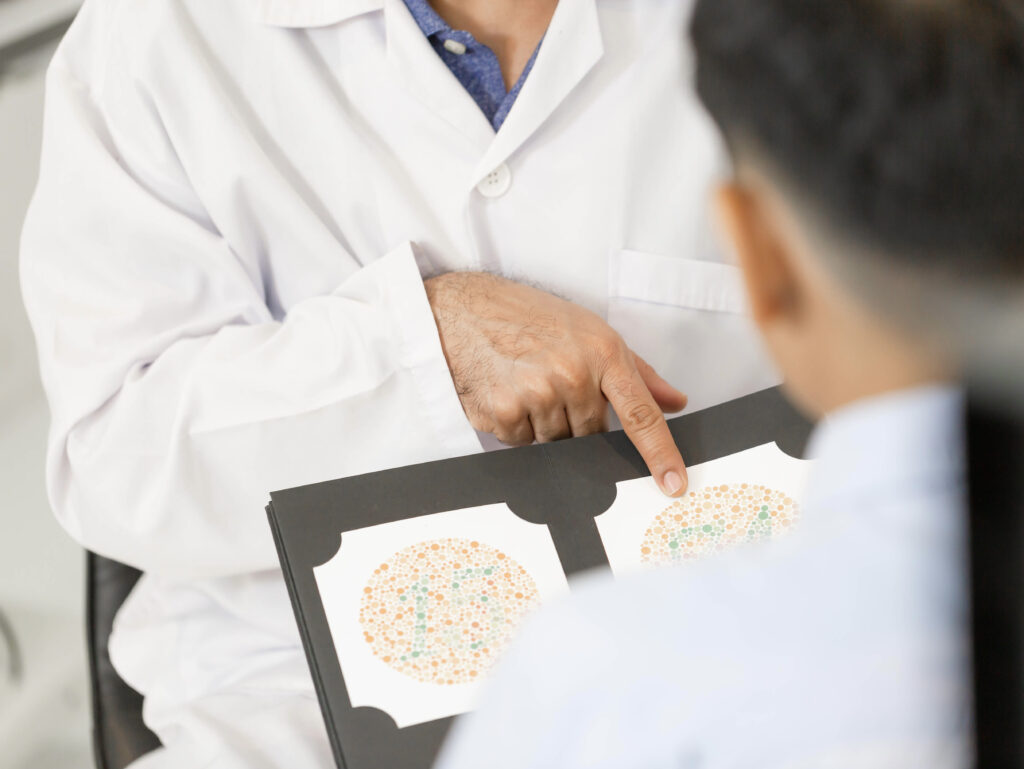
The Ishihara test is used to diagnose red-green color blindness. The test consists of color plates with embedded numbers that are not visible to people with color vision deficiency.
Mother-Child Pass
The Mother-Child Pass examination in the first year of life detects and treats vision problems early that can affect development and learning. Congenital eye diseases such as strabismus or cataracts are also discovered during this examination.
Medical Report
A medical report assesses a patient’s health status and visual acuity and, if necessary, makes recommendations or imposes restrictions. These reports may be required, for example, for a driver’s license, employment, or insurance.
Flight Fitness
The flight fitness examination is conducted to ensure that the pilot possesses sufficient visual abilities to fly safely. The examination checks whether the pilot has adequate sharp and color vision, as well as the ability to quickly switch focus between near and distant objects.
Specialized Experience in Lens Implantation & Eye Corrections
Benefit from our collaboration with leading specialists in lens implantation for cataracts and refractive errors to sustainably improve your vision.
Neurological Examinations for Eye Problems
Our experts offer precise neurological examinations to detect and effectively treat complex eye problems early.
Treatment of Strabismus & Visual Impairments
Trust in our expertise and collaborations to successfully correct strabismus and visual impairments through specialized treatment approaches.
Surgical Procedures
Improvements for eyelid dysfunctions, removal of facial tumors, and aesthetic procedures such as thread lifts for the forehead and cheeks.
Your Trusted Ophthalmology Practice in Vienna & Innsbruck
We masterfully combine modern technology and professional expertise so that you can experience the world through your eyes in full brilliance. Because for us, everything revolves around your vision.